संदेश

बच्चों के व्यक्तित्व और उनके प्रकार

चित्र
बच्चों के व्यक्तित्व और उनके प्रकार:- बच्चा किसी भी समाज और राष्ट्र का भविष्य होता है। प्रत्येक बच्चे का स्वभाव, व्यवहार, सोच और रुचियाँ अलग-अलग होती हैं। यही विशेषताएँ उसके व्यक्तित्व का निर्माण करती हैं। बच्चों का व्यक्तित्व केवल उनके बाहरी व्यवहार से नहीं, बल्कि उनकी भावनाएं, व्यवहार, विचार-विमर्श की क्षमता, छात्रों और छात्रों के साथ संबंध बनाने के तरीके से भी निर्धारित होता है। बाल्यवस्था व्यक्तित्व विकास की सबसे महत्वपूर्ण अवस्था है। इस समय परिवार, विद्यालय और समाज का प्रभाव बच्चों के व्यक्तित्व पर गहराई से पड़ता है व्यक्तित्व का अर्थ:- व्यक्तित्व वह विशेष गुणों का समूह है, जो किसी व्यक्ति के आधार पर अलग-अलग कार्य करता है। बच्चों के व्यक्तित्व में उनका स्वभाव, बोलचाल, व्यवहार, भावनाएँ, रुचियाँ और कार्य करने की शैली शामिल होती है। हर बच्चे की अपनी अलग पहचान होती है। कोई बच्चा नहीं बच्चों के व्यक्तित्व के प्रकार 1. अंतर्मुखी व्यक्तित्व (अंतर्मुखी व्यक्तित्व) अंतर्मुखी बच्चे शांत और गंभीर स्वभाव के होते हैं। वे कम अकेले रहते हैं और अधिक पसंद करते हैं। ऐसे बच्चे अपने विचार से सहजता से...

बाल मनोविज्ञान को समझना: एक स्वस्थ भविष्य की नींव का निर्माण

चित्र
  बाल मनोविज्ञान को समझना: एक स्वस्थ भविष्य की नींव का निर्माण बाल मनोविज्ञान, शैशवावस्था से लेकर किशोरावस्था तक बच्चों के सोचने, महसूस करने, व्यवहार करने और बढ़ने के वैज्ञानिक अध्ययन का विषय है। यह माता-पिता, शिक्षकों और देखभाल करने वालों को बच्चों के भावनात्मक, सामाजिक, संज्ञानात्मक और व्यवहारिक विकास को समझने में मदद करता है। बाल मनोविज्ञान को समझना महत्वपूर्ण है क्योंकि बचपन के अनुभव किसी व्यक्ति के व्यक्तित्व, आत्मविश्वास, रिश्तों और भविष्य के व्यवहार को आकार देते हैं। बाल मनोविज्ञान क्यों महत्वपूर्ण है? हर बच्चा अनोखा होता है। कुछ बच्चे अपनी भावनाओं को खुलकर व्यक्त करते हैं, जबकि कुछ शांत और संवेदनशील होते हैं। बाल मनोविज्ञान वयस्कों को इन अंतरों को समझने और बच्चों की ज़रूरतों के अनुसार उनका सहयोग करने में मदद करता है। यह भावनात्मक या व्यवहार संबंधी कठिनाइयों को प्रारंभिक अवस्था में ही पहचानने में भी सहायक होता है। बच्चे का परिवेश, पारिवारिक संबंध, विद्यालय का वातावरण और सामाजिक अनुभव उसके मानसिक और भावनात्मक विकास को बहुत प्रभावित करते हैं। सकारात्मक प्रोत्साहन, भावनात्मक सु...

N.T.T: बच्चों की शिक्षा और महिलाओं के सशक्तिकरण का मार्ग(Ipsha Mateshwari N.T.T, Patna-26

चित्र
  Ipsha Mateshwari N.T.T: बच्चों की शिक्षा और महिलाओं के सशक्तिकरण का मार्ग आज के समय में शिक्षा केवल ज्ञान देने का माध्यम नहीं है, बल्कि यह बच्चों के समग्र विकास, संस्कार और सामाजिक कौशल का आधार भी बन चुकी है। विशेषकर प्री-नर्सरी और नर्सरी बच्चों के लिए सही मार्गदर्शन और शिक्षण तकनीक बेहद महत्वपूर्ण होती है। इसी उद्देश्य से Ipsha Mateshwari N.T.T (Nursery Teacher’s Training) कार्यक्रम को डिजाइन किया गया है। यह 2 साल का डिप्लोमा कोर्स है, जो महिलाओं को नर्सरी और प्री-स्कूल बच्चों को पढ़ाने के लिए आवश्यक कौशल, बाल व्यवहार समझ और शिक्षण तकनीक प्रदान करता है। N.T.T का उद्देश्य Ipsha Mateshwari N.T.T का मुख्य उद्देश्य है: महिलाओं को शिक्षण क्षेत्र में रोजगार के योग्य बनाना। बच्चों की प्रारंभिक शिक्षा में गुणवत्ता और रचनात्मकता लाना। समाज में महिला सशक्तिकरण को बढ़ावा देना। इस कोर्स के माध्यम से महिलाएँ न केवल शिक्षिका बनने का प्रशिक्षण प्राप्त करती हैं, बल्कि अपनी आत्मनिर्भरता और पेशेवर क्षमता भी बढ़ाती हैं। N.T.T की खासियतें 1. व्यावहारिक शिक्षण तकनीक Ipsha Mateshwari N.T.T में आधुनिक...

What activities are performed to develop fine motor skills?What are benefits to develop fine motor skills?

चित्र
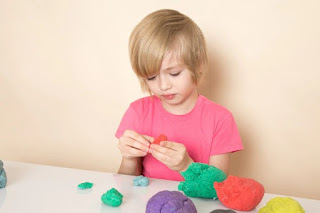
What activities are performed to develop fine motor skills? Fine motor skills refer to the coordination and control of small muscles in the hands, fingers, and wrists. These skills are essential for activities such as writing, drawing, buttoning clothes, using utensils, and many more. There are many activities that can help develop fine motor skills, including: Playing with Play-Doh or clay: This activity involves squeezing, rolling, and molding the material with fingers, which helps to develop strength and dexterity. Stringing beads: This activity involves threading beads onto a string or wire, which requires hand-eye coordination, finger dexterity, and concentration. Drawing and coloring: This activity involves using crayons, pencils, or markers to draw or color pictures, which helps to develop hand strength, finger dexterity, and hand-eye coordination. Playing with puzzles: This activity involves manipulating small pieces to fit together, which helps to develop hand-eye coordination...

Problematic Children,Causes of Problematic Behaviour,Solution

चित्र
Who are Problematic Children? The term "problematic children" is a broad and often subjective term that can refer to children who display a range of behaviors that are perceived to be disruptive or challenging. It is important to note that labeling a child as "problematic" can be stigmatizing and potentially harmful, and it is generally more helpful to focus on specific behaviors and their underlying causes. Some examples of behaviors that may be considered problematic in children include: Aggression: This may include physical violence towards others, verbal aggression, or bullying. Oppositional behavior: This can include defiance, disobedience, and arguing with authority figures. Attention problems: Children who have difficulty focusing or paying attention may struggle with schoolwork and have difficulty following rules and instructions.Hyperactivity: This can include fidgeting, restlessness, and difficulty sitting still.Conduct problems:  This may include lying, s...

Interest based Learning/Benefits of Interest Based Learning

 https://ipshahandicraftstore.blogspot.com/2023/03/interest-based-learningbenefits-of.html

Reasons, Why children do n't take interest in studies.

चित्र
Why do children not take interest in studies? There can be many reasons why children may not show interest in studies. Here are some common reasons: Lack of motivation: Children may not see the value or importance of education, or they may not be motivated to learn due to factors such as low self-esteem or lack of confidence. Learning difficulties: Children who have learning difficulties such as dyslexia or ADHD may find it difficult to focus and concentrate in class, leading to disinterest in studies. Boredom: Children may find their studies boring if the curriculum is not engaging or if the teaching methods are not varied enough. Distractions: Children may be distracted by technology, social media, or other activities that take away from their time and energy to focus on their studies. Personal problems: Children who are dealing with personal problems such as family issues or emotional stress may find it difficult to concentrate on their studies. It is important for parents and teach...